




There are still 140,000 refugees living in the 23-year old camps on Myanmar's (Burmese) border. The third country resettlement policy, now in its third year, has sent over 20,000 people to 11 countries in Europe and USA. The target planned for 2008 is 17,000, but due to long-term human rights violations in Myanmar (Burma) and the persecution of those involved in the September 2007 demonstrations for democracy, the flow of refugees continues, resulting in camp population numbers remaining about the same overall.
As the composition of the camp population changes with the third country resettlement policies and the inflow of "new" refugees, it is creating a personnel crisis for NGO staff. In 2007, ten of the 12 Maela camp librarians have left camp to resettle in the third countries, and potential successors are limited in number and require much time for training. In view of these circumstances, in 2008, we will continue to strengthen support offered by SVA staff and make the hiring and training of new librarians more effective. Our libraries are also striving to provide useful information for both people seeking to resettle in third countries and those waiting to return home.
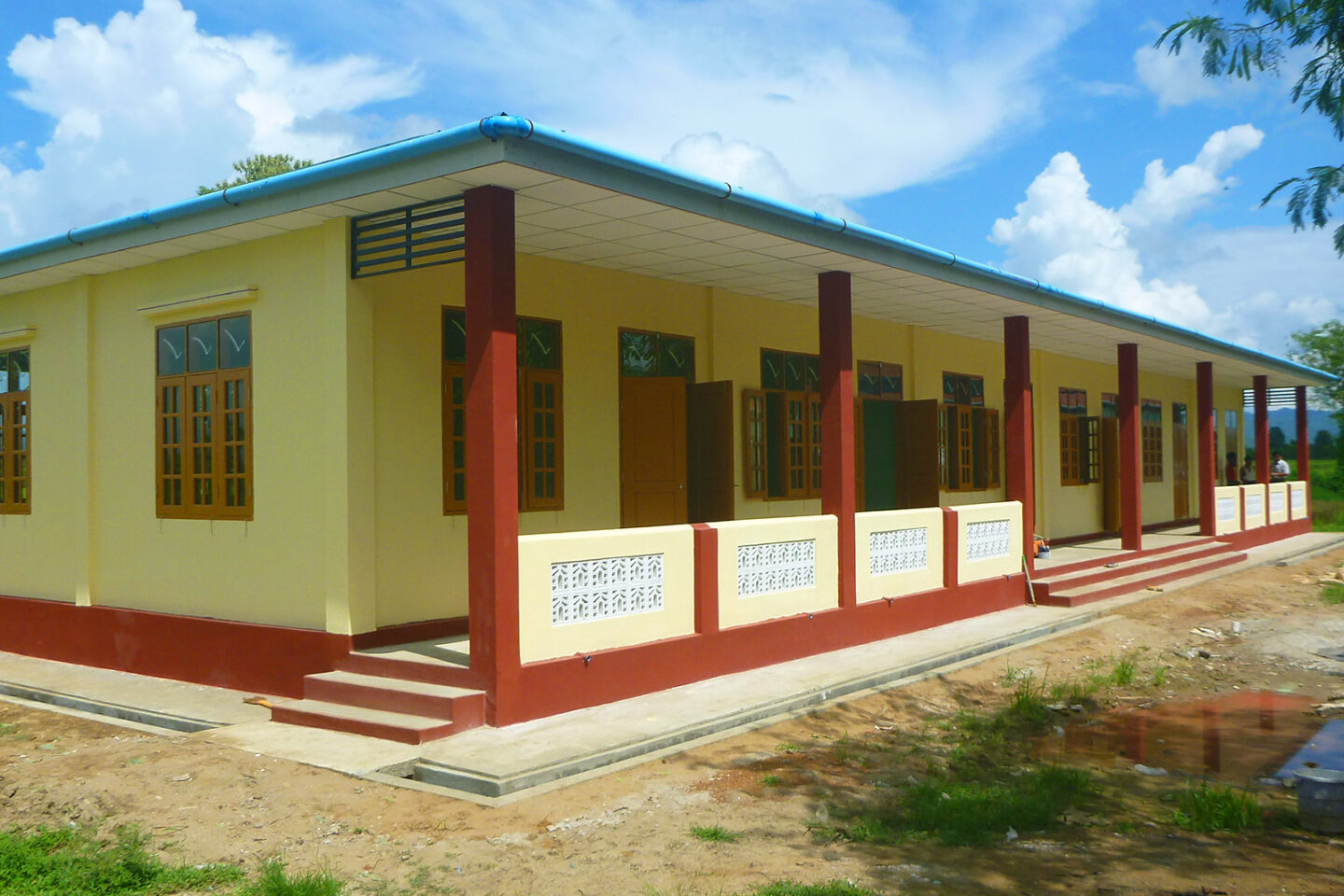
Expansions and reconstruction of seven of the 25 libraries were undertaken using more durable materials. The formerly bamboo floors were cemented for a smooth surface, making it safer for various activities, such as traditional dance classes and games. In 2008, we will continue to use such building materials where required.
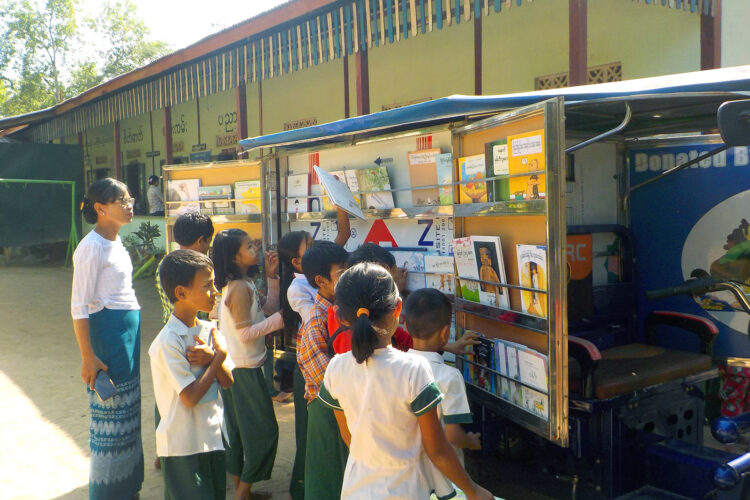
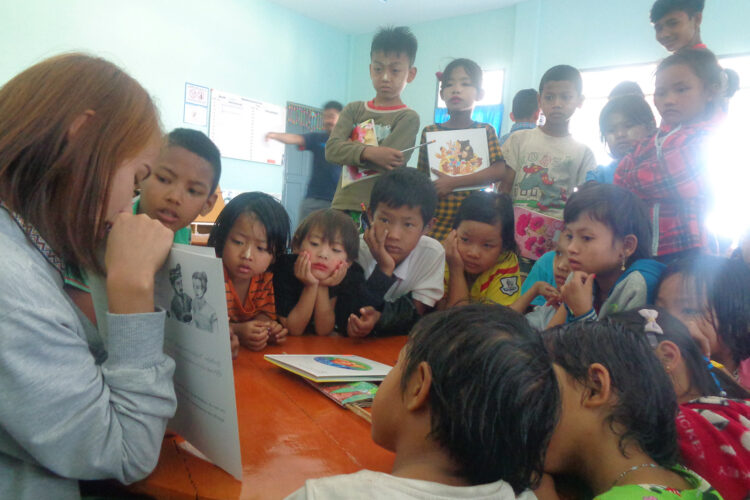
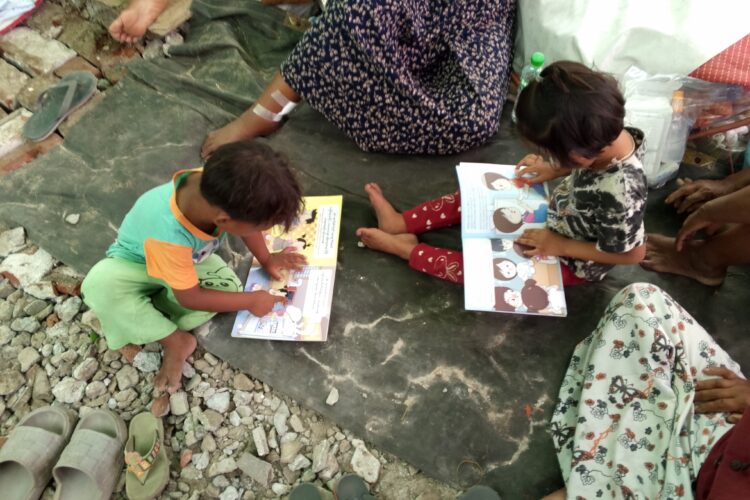
Workshops were held in each camp in July targeting parents who do not use the libraries much, and we were able to communicate the significance of picture books and story-telling to mothers. Mobile book-boxes were then set up in each library specifically for them, and the number of mothers using the system has continued to rise. SVA will hold follow-up seminars for them in 2008.
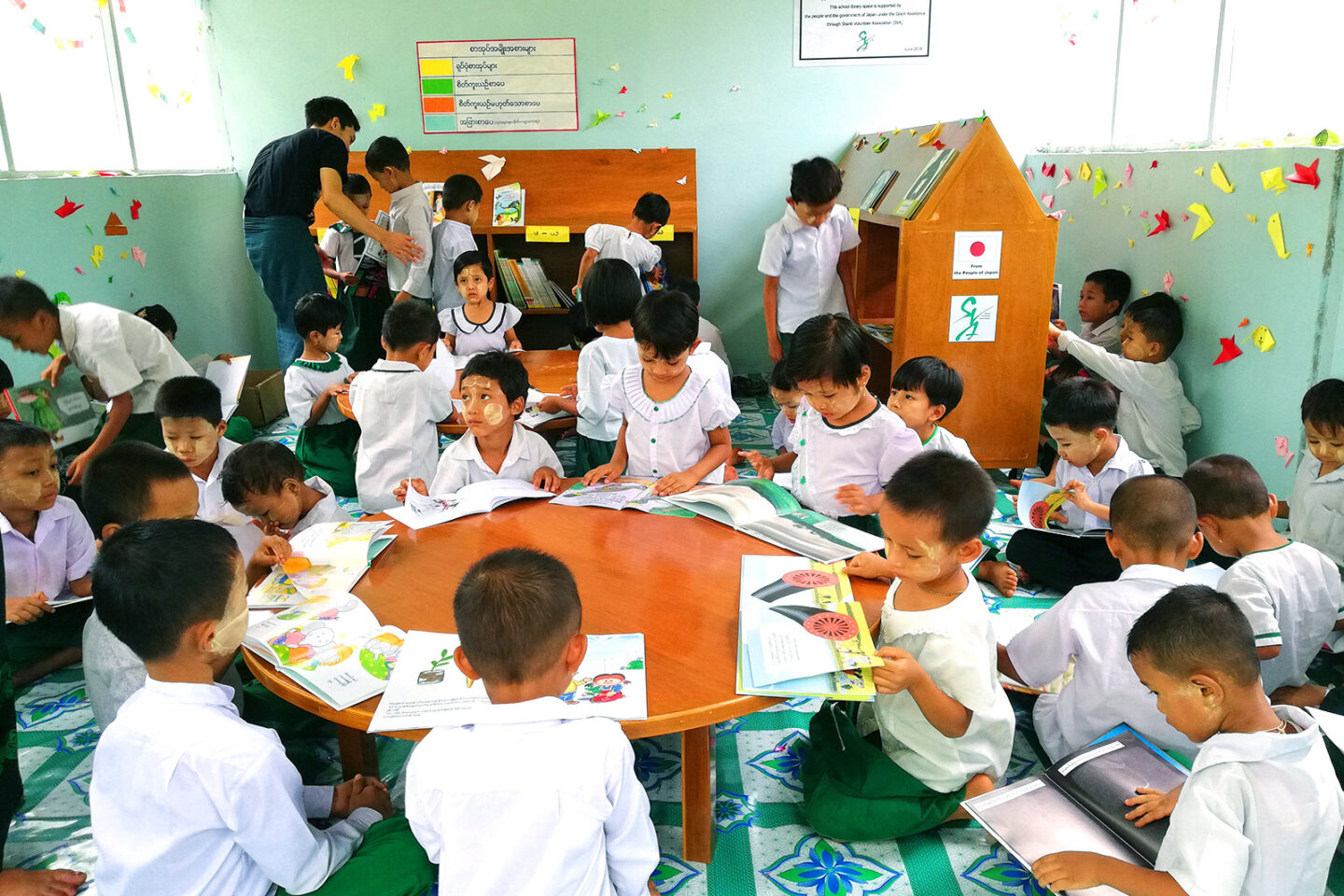
SVA distributed to each library four copies each of ten titles of picture books published in Japan and ten titles from Thailand (two in Karen and two in Burmese). The Campaign to Deliver Picture Books to Myanmar (Burmese) refugees was also expanded to become part of the Tokyo Office's Campaign to Deliver Picture Books. Local offices executed the Burmese translation of Japanese picture books and Karen and Burmese translations of Thai ones.
On average, we distributed 40 books for adults per month to each library, mostly Burmese novels, magazines, newspapers, and books on the topics of agriculture, the home and health and medicine.
In 2008, SVA will continue to provide books in this way. In particular, we plan to select ten children's book titles that include picture books promoting peace building.
Each library holds classes in drawing, handicrafts and origami with the children. Activities to celebrate events were also held around five times a year, such as Children's Day, a picture book contest, Mother's Day, Karen festivals, and Father's Day.
We published two books based on folk tales told to us by elders and the two winning titles of SVA's picture book competition, held from June to September, totaling four new titles in two languages each. The editorial and printing process took longer than expected due to staff changes, so completion of the project was a year late, but a total of 8,000 books were printed, with 2,000 of each title (1,000 each in Karen and Burmese). In 2008, we aim to print 6,000 books within the year of three titles, again, each in two languages of 1,000 copies each.
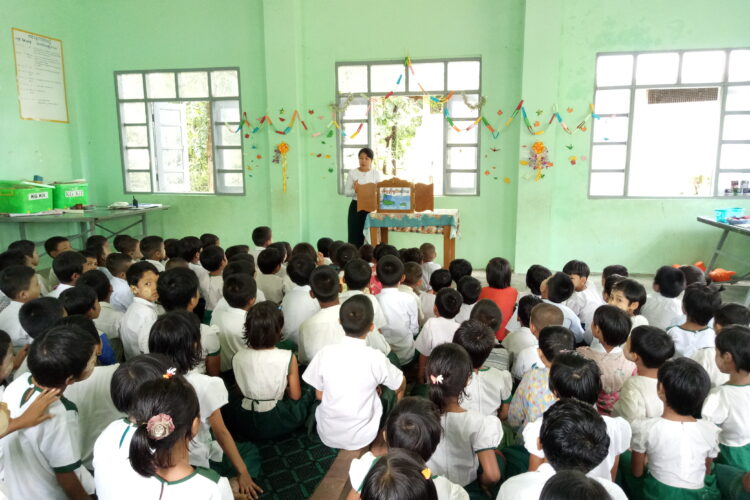
Library Youth Volunteers, established in 2006, is comprised of about 20 youth in each camp. In 2007, the twice yearly training session and traveling exhibition featuring puppet drama were held, both popular with children. Events targeting the elderly were also held five times, including a speech contest for adults and a picture book contest. In 2008, SVA will continue to hold events to promote reading and traditional culture.
Classes for three kinds of traditional instruments (Tanakeklaw: harp, Kana: mandolin, Thaw Htu: violin) and traditional dance were held in each camp. Due to a shortage of teachers, however, only seven Tanakeklaw classes, three Kana classes, two Thaw Htu classes and seven Karen dances took place. Students performed what they had learned at camp events. SVA will improve teaching methods and class content in 2008, to create even better courses.
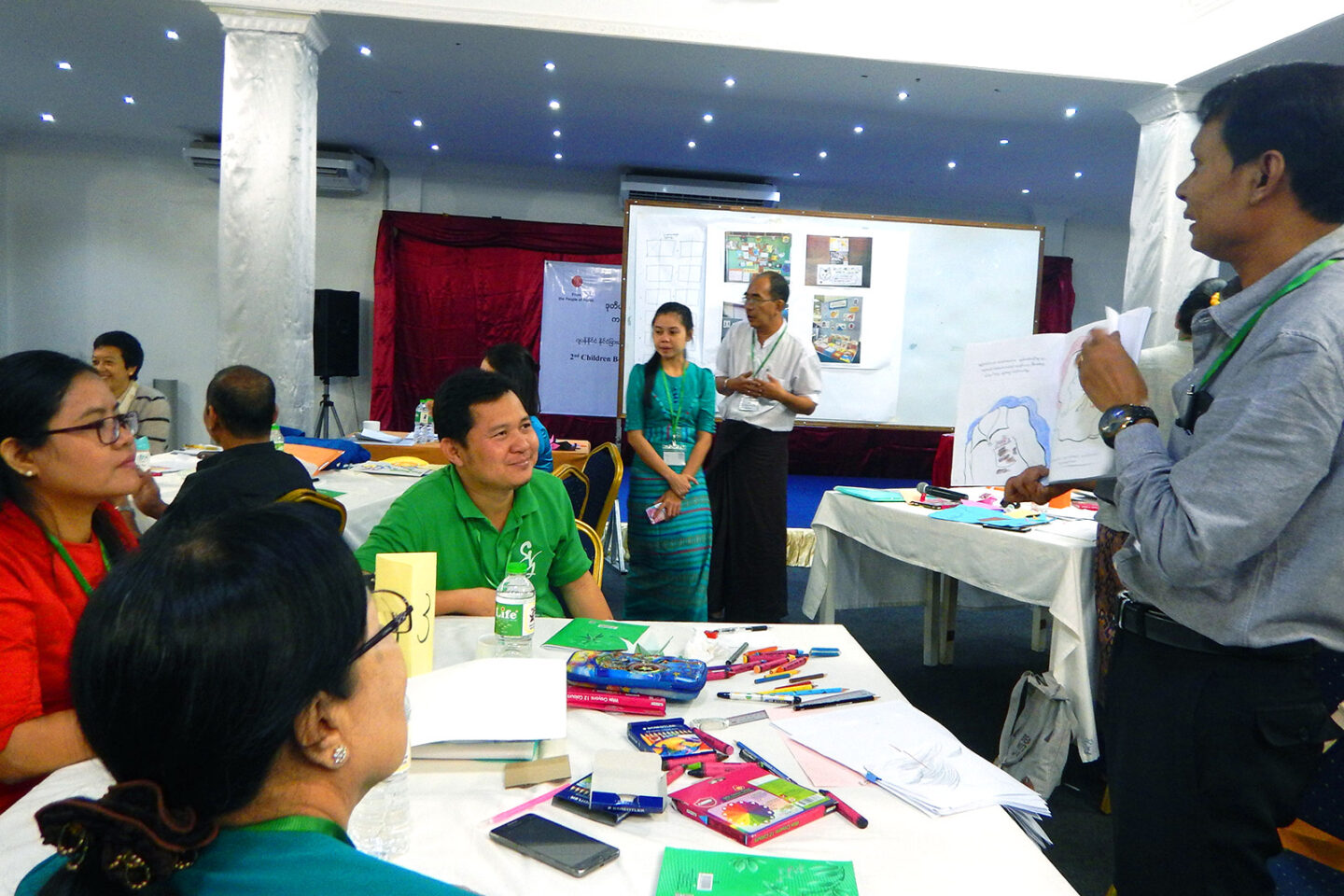
We held a training session in each camp for already existing librarians, as well as basic pre-training for new librarians as the need arose. In November, our fifth joint seminar for library staff was held at Maela camp. A joint seminar for the library committees of each camp, which provide assistance in managing the libraries, was also held in Maela camp in May. In 2008, SVA will continue to hold capacity-building seminars so that library spaces and activities can be run more independently.
This seminar, carried out to promote the publication of picture books by refugees, was held for the second time this year in August in Umpium camp, where the book editorial committee is based. Ten participants gathered, and were assisted by Thai picture book author Cheewan Wisasa and two picture book editors who had also lent their support in 2006.
The target area was focused from this year on 26 nurseries and five primary schools in Tha Song Yang, Tak province, where the Maela Refugee Camp is located. Together with SVA Thailand, SVA held a reading promotion seminar in June targeting teachers, after which we lent mobile book-boxes and carried out monitoring activities. In 2008, we plan to hold a training seminar with a childcare expert from Japan.
photo:Kawabata Yoshifumi