


Launching a New Educational Support Initiative through Technology in Cambodia
Shanti Volunteer Association (headquartered in Shinjuku, Tokyo; Chairperson Kyoei Wakabayashi; hereinafter SVA) will launch the “Nurturing Early Skills through Technology (NEST)” project in Cambodia in May 2026 In collaboration with the Ministry of Education, Youth and Sport of Cambodia,promoting comprehensive learning environments that support “learning through play” to improve access to and the quality of Early Childhood Education.
■Overview of the project
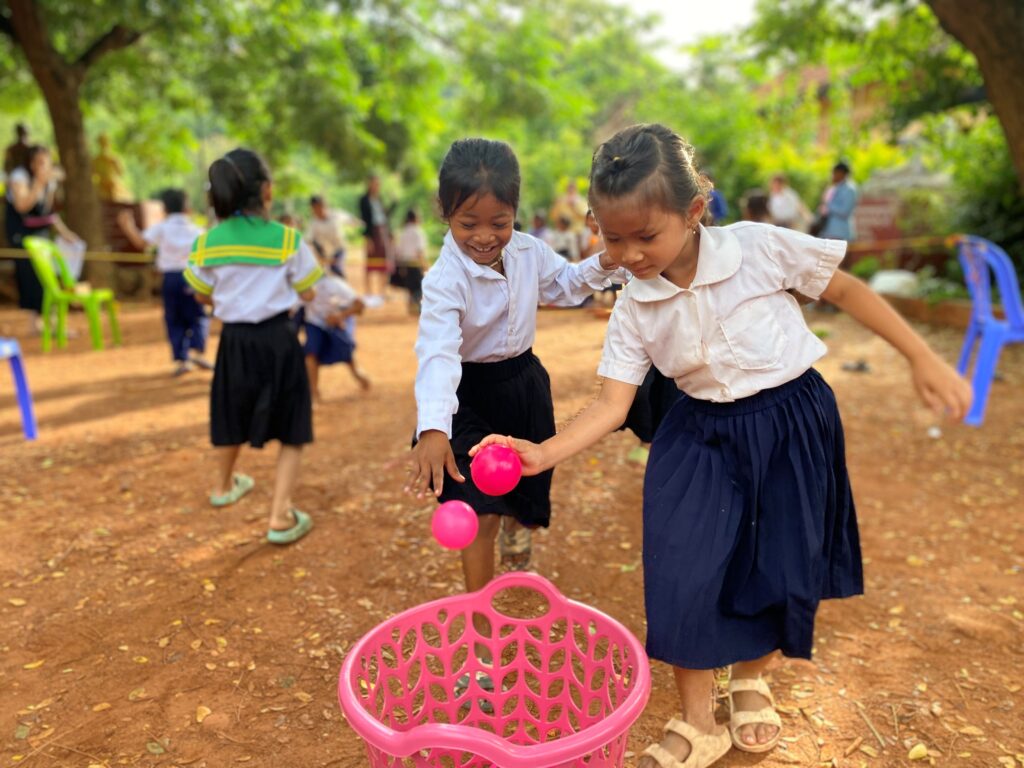
This “Nurturing Early Skills through Technology (NEST)” project will run for approximately four years, from May 2026 to March 2030. SVA serves as the implementing agency, and the project is funded by approximately $4.7 million (approximately 700 million yen) from the Japan Social Development Fund (JSDF) (operated jointly by the Government of Japan and the World Bank). Targeting 60 preschools in three provinces in northwestern Cambodia, the project aims to improve access to and the quality of early childhood education by promoting “learning through play” through teacher support utilizing digital technology.
In this NEST project, we will target preschools in rural areas, in addition to our ongoing efforts to promote “learning through play”—which include environmental improvements such as the construction and repair of school buildings, toilets, handwashing stations, and playgrounds, as well as training for current teachers and awareness-raising activities for parents—we will also undertake two new initiatives.
(1) Use of technology to support teachers:
We will develop digital teaching materials and lesson plan creation tools for teachers to use in their classroom activities on the web platform of the Ministry of Education, Youth and Sport (hereinafter MoEYS), and we will also provide online learning content on early childhood education for teachers to study on their own, thereby supporting their professional development.
(2) School meal program:
We will support the development of systems for providing breakfast at preschools, with the goal of creating an environment where more children can attend preschool on a regular basis.
■Early childhood education initiatives in Cambodia
Since 2015, SVA Cambodia office has been continuously implementing multiple projects related to early childhood education. We have been working to ensure that more children have access to preschool education in a high-quality environment, and that the learning experiences in preschools are appropriate for each stage of development and of high quality.
In all our projects to date, SVA has worked in close collaboration with Cambodian stakeholders, including Early Childhood Education Department and Teacher Training Department of the MoEYS. Notably, in 2023, the teacher’s guidebooks for preschool education developed by SVA to support the implementation of “learning through play” based on the Cambodia’s official preschool curriculum —was officially recognized as supplementary educational material in Cambodia. The guidebooks continue to be widely used particularly by current teachers.
■Project launching ceremony held in May 21, 2026
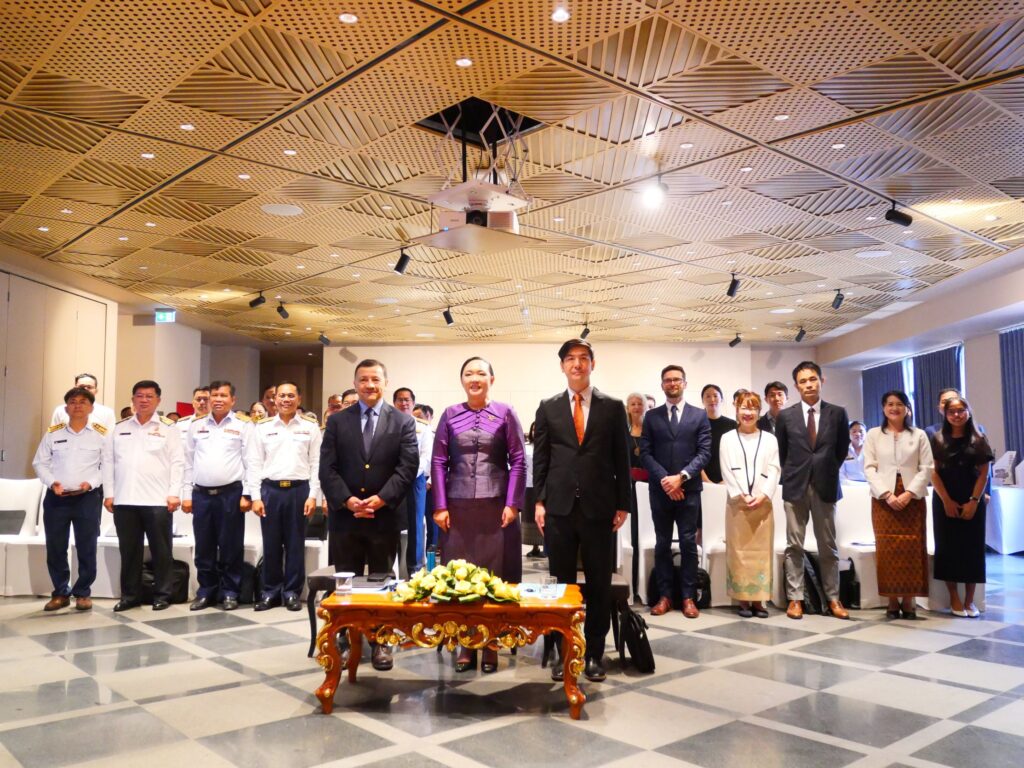
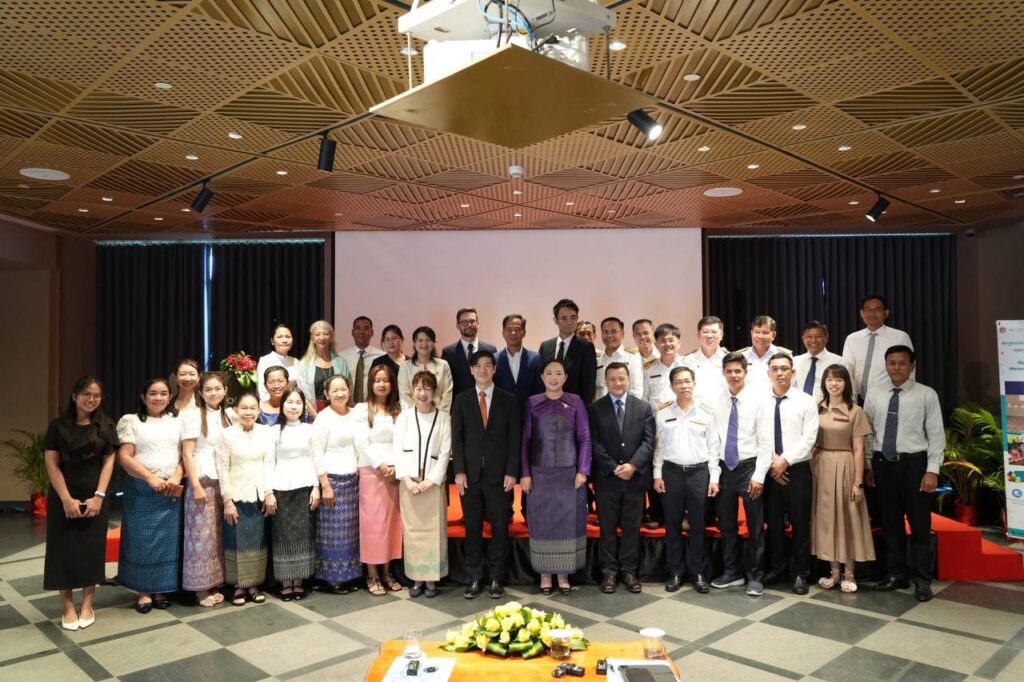
To mark the launch of this initiative, SVA and the MoEYS jointly held a project launch ceremony in Cambodia on May 21, 2026.
The ceremony was attended by Her Excellency Dr. Kim Sethany, Acting Minister of Cambodian Ministry of Education, Youth and Sport; as well as Mr. Kensuke Nagase, Deputy Chief of Mission, Embassy of Japan in Cambodia; Dr. Cristian Aedo, Practice Manager for the East Asia and Pacific Region of the Education Global Practice, World Bank; Ms. Eri Yamamoto, Secretary General, SVA; and directors of Provincial Office of Education (POE) from the target provinces, among approximately 100 attendees.
During the ceremony, the importance of partnerships among stakeholders—including MoEYS, World Bank, and NGOs—in the development of Cambodia’s education sector was emphasized, and expectations were expressed regarding the benefits this project will bring to Cambodian children. The comments are as follows.
Remarks by Her Excellency Dr. Kim Sethany, Acting Minister of Ministry of Education, Youth and Sport
I am honored to have this opportunity to join you all on the launch of this project, and I would like to express my gratitude to everyone involved. Preschool is an important place where children not only learn letters, numbers, and songs, but also learn to live with others, how to adapt themselves, and build the foundations for their lives intellectually, physically, and socially. Furthermore, investing in early childhood education helps prepare children for primary school and reduces dropout rates.
I hope that SVA and all stakeholders will work together to bring a better future to the children of Cambodia.
Remarks by Mr. Kensuke Nagase, Deputy Chief of Mission, Embassy of Japan in Cambodia
It is a great pleasure that the NEST project is being launched today by the SVA, funded by the Government of Japan through the Japan Social Development Fund (JSDF) of the World Bank.
I sincerely hope that this project will provide high-quality learning opportunities for children across Cambodia and contribute to the development of future human capital. I also hope that the knowledge and outcomes generated through this project will be expanded nationwide and further advance early childhood education throughout Cambodia.
Remarks by Dr. Cristian Aedo, Practice Manager for the East Asia and Pacific Region of the Education Global Practice, World Bank
It is a real pleasure to be here for the launch of Nurturing Early Skills through Technology, or NEST.
The focus is very clear: improving access and quality, especially in underserved areas, by strengthening how children learn through play, and how teachers are supported, including through the use of technology. I look forward to what we will achieve together.
Remarks by Ms. Eri Yamamoto, Secretary General, SVA
At the heart of our work is the belief that every child, regardless of circumstance, has dignity and potential. We seek to support children as they grow in a safe and caring environment and develop the “power for life” through their relationships with others.
Early childhood is a particularly important stage in nurturing this “power for life”. Through play and everyday experiences, children gradually come to understand the world around them by engaging with people, objects, and nature. For young children, play is the most natural and child-centered form of learning. It nurtures interest in language and numbers, builds relationships with others, and develops confidence and compassion—the foundations of lifelong learning and growth. We believe that the future of children depends on all of us working together in the same direction. The NEST Project will continue over the next four years. Along the way, there will be challenges and much learning through trial and error. However, together with everyone gathered here today, we would like to move forward step by step with care and commitment for the future of children. Lastly, I sincerely hope that this project will contribute to the healthy growth of children in the target areas and further advance early childhood education throughout Cambodia.
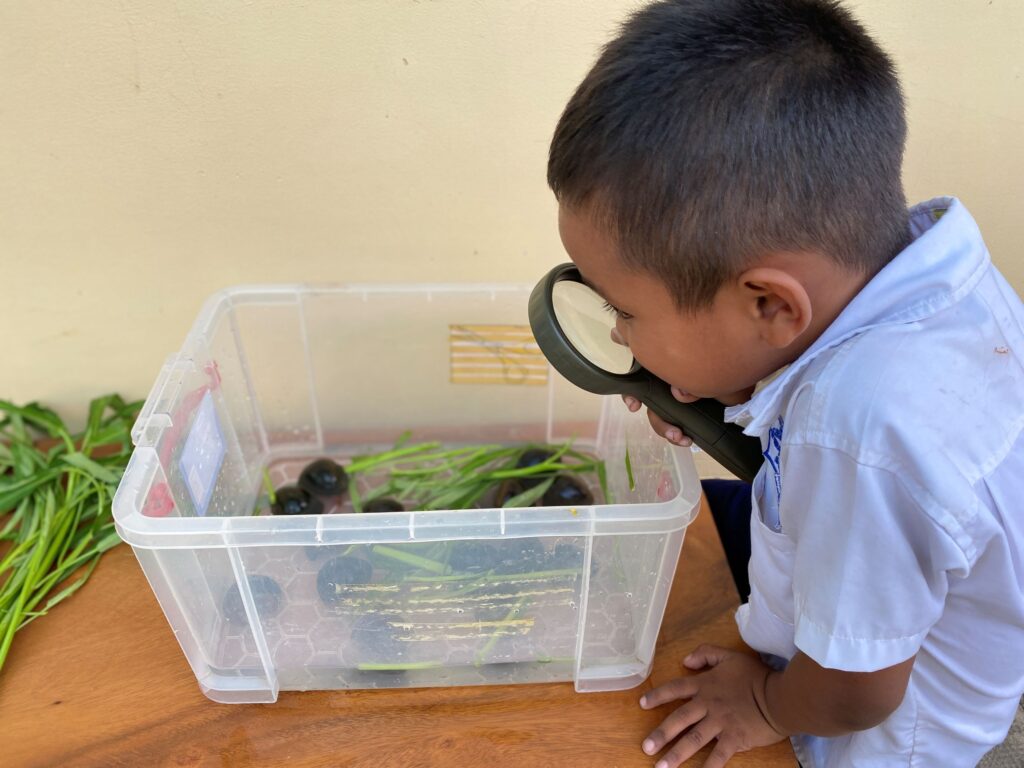
About the Nurturing Early Skills through Technology (NEST) Project
・Project Overview
Early childhood is a crucial period for laying the foundation of human development. Ensuring that children receive appropriate care and education during this time promotes development in all aspects and leads to a lifelong desire to learn and future productivity; however, early childhood education in Cambodia faces various challenges regarding access and quality. According to statistics for the 2023–2024 academic year, while the enrollment rate for 5-year-olds is showing an upward trend, the enrollment rate for 3-year-olds remains at approximately 15% and for 4-year-olds at approximately 36%, meaning there are many children who are unable to receive early childhood education. Furthermore, in many preschools, the expertise of teachers, teaching materials, and the learning environment are insufficient, and the basic principle of “learning through play” outlined in the early childhood education curriculum revised in 2018 is not being fully implemented. Under these circumstances, especially children from low-income families and rural areas are unable to access appropriate learning and developmental opportunities, putting them at risk of facing difficulties in their studies after entering primary school.
Against this background, the Japan Social Development Fund (JSDF), managed by the World Bank, is supporting efforts to improve the quality of and access to early childhood education in Cambodia through the “Nurturing Early Skills through Technology (NEST)” project. This project will be implemented around four-year period from May 2026 to March 2030 with approximately $4.7 million in funding. Shanti Volunteer Association (SVA), a Japanese public interest incorporated association (NGO), will serve as the implementing agency and, in collaboration with the Ministry of Education, Youth and Sport, will carry out comprehensive initiatives, particularly in rural areas where support is most needed.
Aimed at “improving access to and the quality of early childhood education by promoting ‘learning through play’ through teacher support utilizing digital technology,” the project will be implemented in 60 public preschools across seven districts in the northwestern provinces of Battambang, Pailin, and Banteay Meanchey, with approximately 9,500 children, teachers, and parents as direct beneficiaries. Specifically, the project works to improve the quality of education in preschools and at home through practical training for teachers, the development of digital teaching materials and online platforms for teachers, and awareness-raising activities for parents. Furthermore, by constructing and renovating preschools and providing furniture, teaching materials, playground equipment, and digital devices, the project aims to create safe and hygienic learning environments. Additionally, by introducing a school meal program to improve children’s nutritional status, the project seeks to establish an environment where more children can attend preschool consistently, thereby improving access to early childhood education.
<About Shanti Volunteer Association (SVA)>
The Shanti Volunteer Association (SVA) is a Japanese NGO established in 1981. SVA provides educational and cultural support for children in Asia and implements emergency humanitarian assistance. SVA strives to deliver educational opportunities to children so they can continue learning under any circumstances.
Established: December 10, 1981
President: Kyoei Wakabayashi
Head Office: Jibokaikan 2F/3F, 31 Daikyo-cho, Shinjuku, Tokyo 160-0015, Japan
Activities: Educational and cultural support, emergency humanitarian assistance
Official Website
Orijinal PressRelease
【PRESS01】Launching a New Educational Support Initiative through Technology inCambodia